
01
The body quietly accumulates imbalances.
Desk time, one-sided habits, repetitive loading, and subconscious movement patterns can build up long before one area starts complaining.
Personalized movement training that adapts to your body's imbalances.
JointReset helps active adults read the movement imbalances that build through work habits, repetition, posture, and subconscious routines so they can follow a body-specific training plan designed to keep them active and healthy despite joint discomfort.

Work + movement context
The first read is not only about the sensitive spot. It connects daily imbalances, movement habits, load, and the next realistic training change.
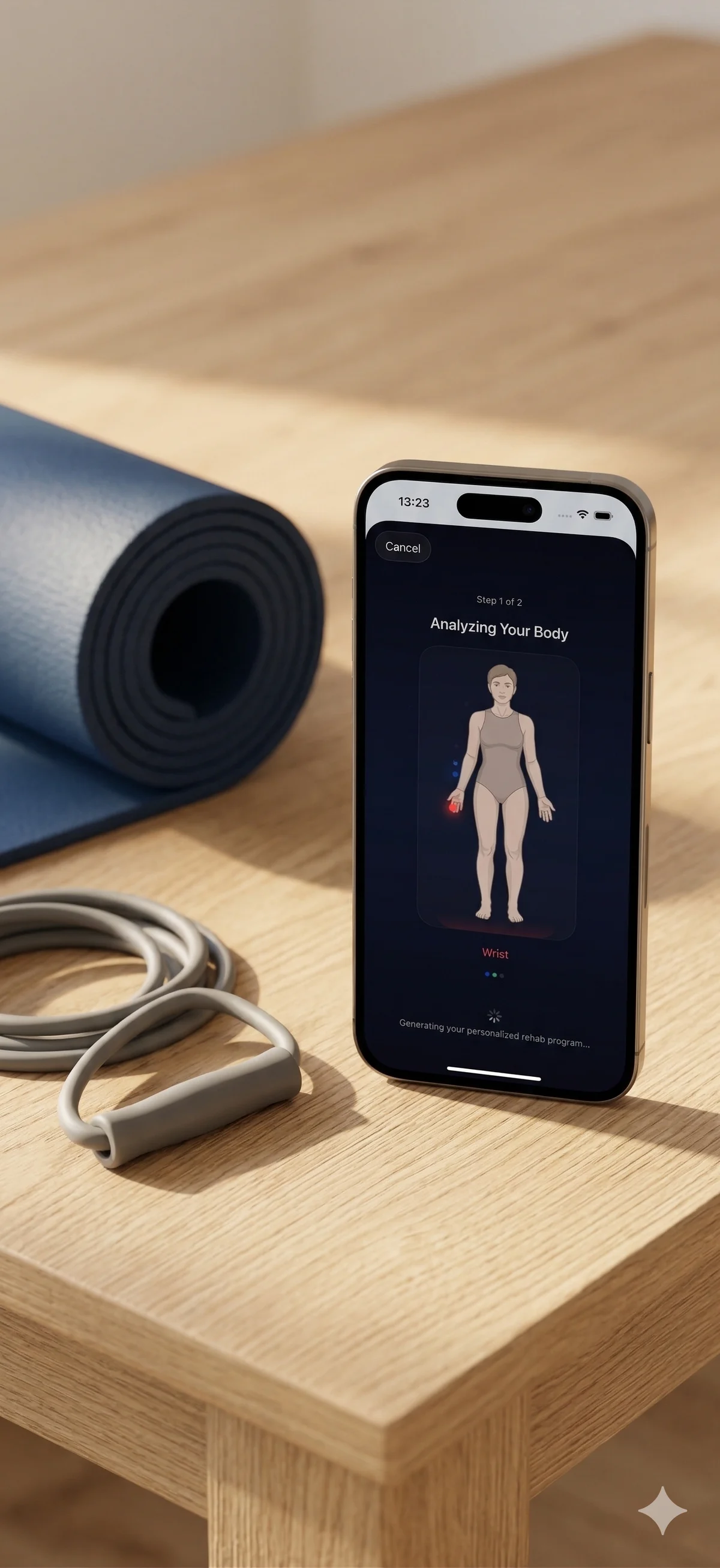
Assessment preview
01
Desk time, one-sided habits, repetitive loading, and subconscious movement patterns can build up long before one area starts complaining.
02
Joint discomfort is often shaped by more than one clean diagnosis story. Training history, alignment, workload, and daily routines usually matter too.
03
When everyone gets the same drills, the plan rarely matches the actual imbalances, weak links, and habits shaping the limitation.
04
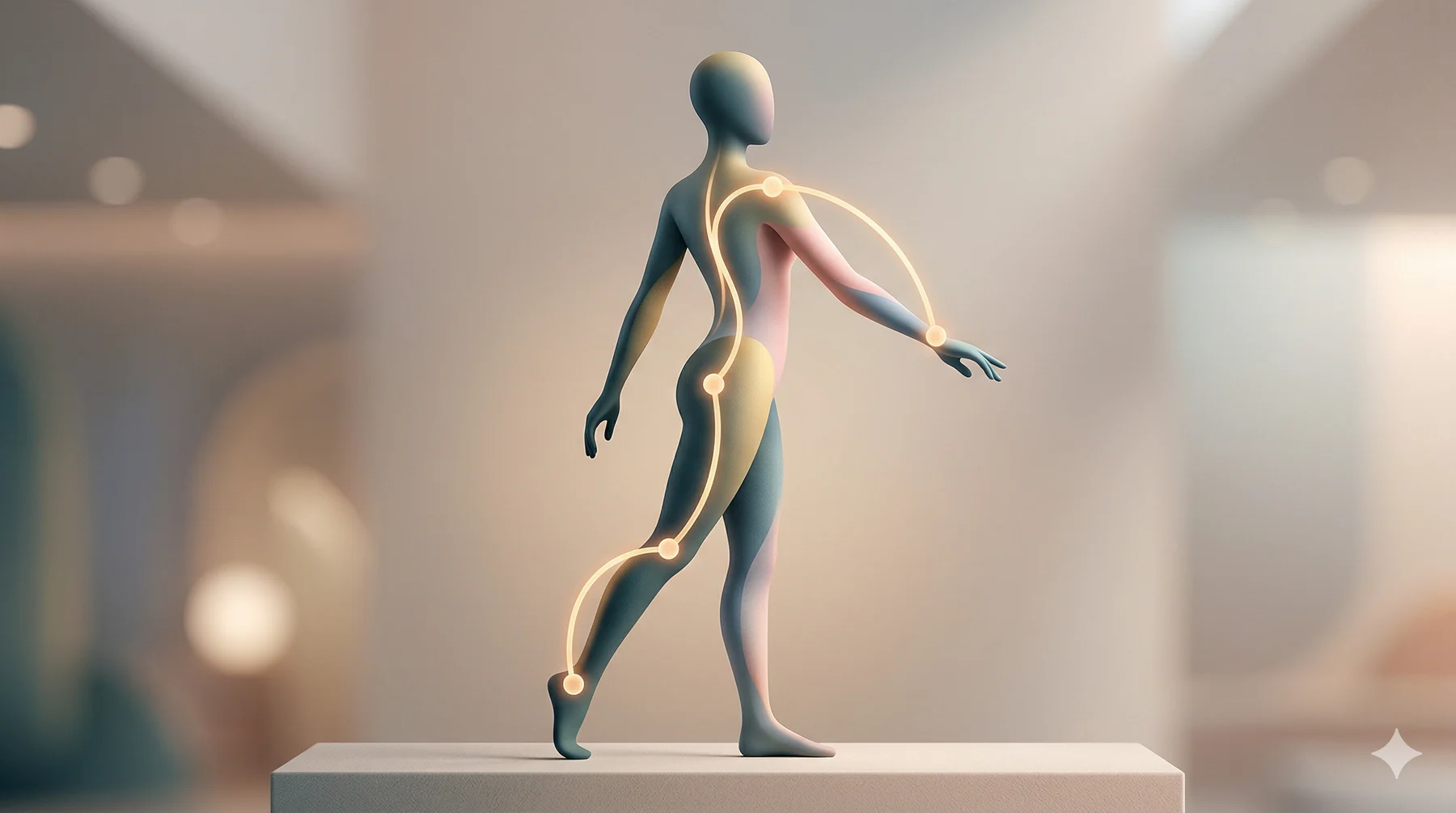
JointReset starts with a mobility assessment so the next plan can compensate for the pattern that belongs to your body, not a generic template.
01
Start with a mobility assessment that looks at where discomfort shows up, how daily habits load the body, what training has changed, and what you want to get back to.
02
JointReset turns that picture into focused movement sessions chosen to compensate for the imbalances your body is actually carrying.
03
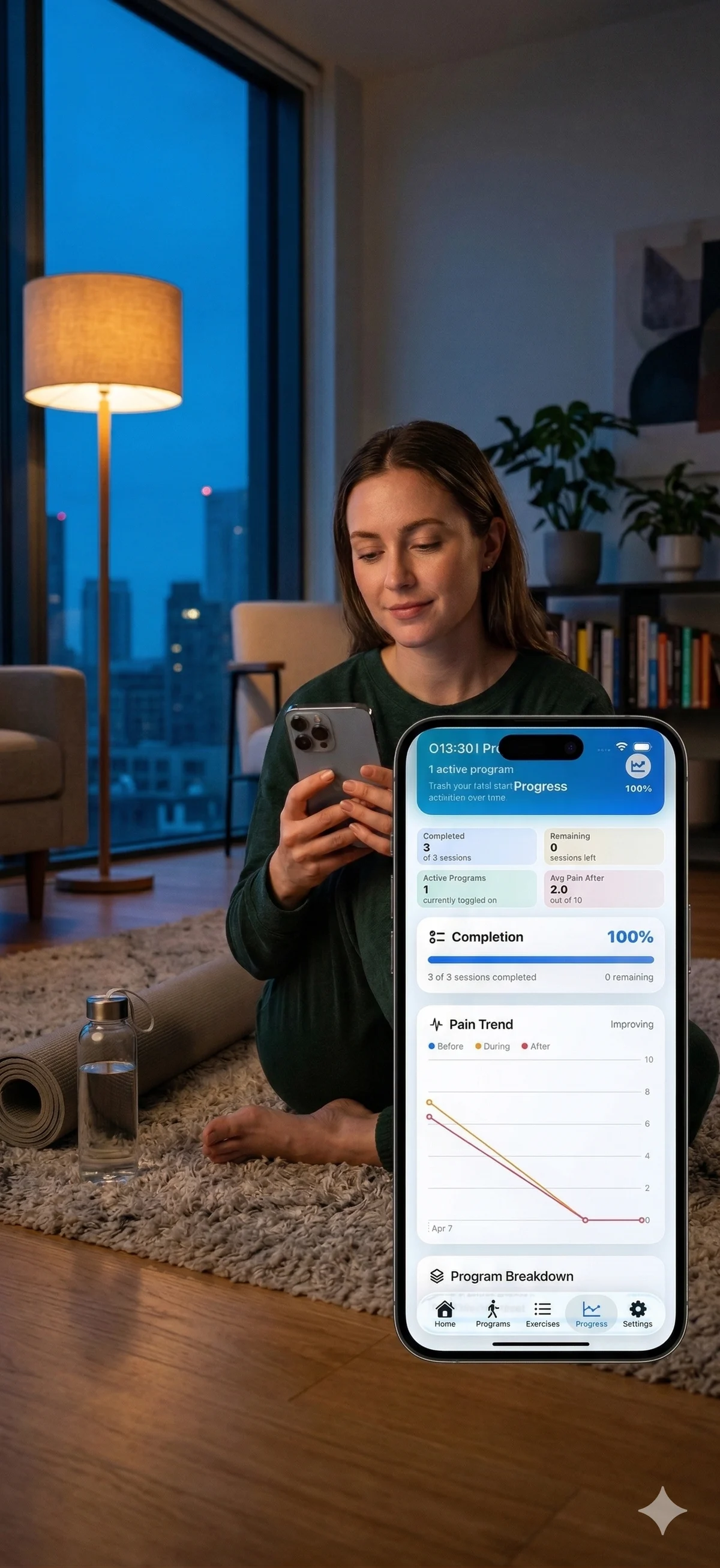
Completion, discomfort trends, and flare signals help the plan adjust week to week so training stays realistic and movement becomes more balanced over time.
A good training plan should correct the few levers that matter most, not bury you in exercise for exercise's sake. JointReset keeps the starting plan focused so you can actually repeat it, learn from it, and build better movement balance over time.
Safety boundary
JointReset offers educational training guidance for everyday movement limitations and discomfort patterns. It is not medical diagnosis, treatment, or a replacement for licensed care. See the Safety, Privacy, and Terms pages for the full boundary.
JointReset is built for everyday movement limitations and discomfort patterns that often sit outside urgent medical care. It offers educational training guidance, not diagnosis or treatment, and it should point you toward professional evaluation when red flags or unusual symptoms are part of the picture.

Condition guide
Front-of-knee pain when bending often becomes clearer when you compare bending with stairs, squats, lunges, running, sitting-to-standing, and recent workload changes.
Keep reading
→
Condition guide
Knee pain after running often reflects how the knee responded to recent mileage, pace, hills, strength work, stairs, and recovery rather than one isolated run alone.
Keep reading
→
Condition guide
Knee pain going down stairs often shows up when the knee has to control body weight slowly, especially if recent training, hills, squats, or recovery changes have reduced tolerance.
Keep reading
→JointReset pages are written around specific movement problems first, then connect that local signal to workload, habits, training history, and safety boundaries.
Front-of-knee pain when bending often becomes clearer when you compare bending with stairs, squats, lunges, running, sitting-to-standing, and recent workload changes.
Read the guide
Knee pain after running often reflects how the knee responded to recent mileage, pace, hills, strength work, stairs, and recovery rather than one isolated run alone.
Read the guide
Knee pain going down stairs often shows up when the knee has to control body weight slowly, especially if recent training, hills, squats, or recovery changes have reduced tolerance.
Read the guide
Knee pain when lunging often reflects how the knee handles single-leg control, depth, pace, and recent lower-body workload rather than one form cue alone.
Read the guide
Knee pain when squatting often reflects a mix of local load sensitivity, ankle or hip limitations, training changes, and movement confidence rather than one single cause.
Read the guide
Patellar tendon pain often shows up as a stop-start lower-body problem, especially when jumping, squatting, or sport demand rises faster than tolerance.
Read the guide
Achilles pain or soreness after running often reflects a mismatch between recent running demand and current tissue tolerance, especially when the response shows up later rather than immediately.
Read the guide
Shoulder pain reaching overhead can be shaped by local irritability, workload, upper-back motion, and how the whole upper limb is sharing the task.
Read the guide
Outer elbow pain around computer work is often less about one posture and more about repetition, gripping, reach distance, and total upper-limb demand.
Read the guide
Wrist pain from typing often reflects repeated upper-limb demand, workstation friction, and low movement variety rather than a single simple explanation.
Read the guide
These pages connect early search interest around kinetic-chain movement, tendon loading, and recurring flare cycles to practical next steps.
Article
Kinetic-chain thinking simply means the body does not move one joint at a time, so recurring pain can be shaped by what happens above, below, and around the painful area.
Keep reading
→
Article
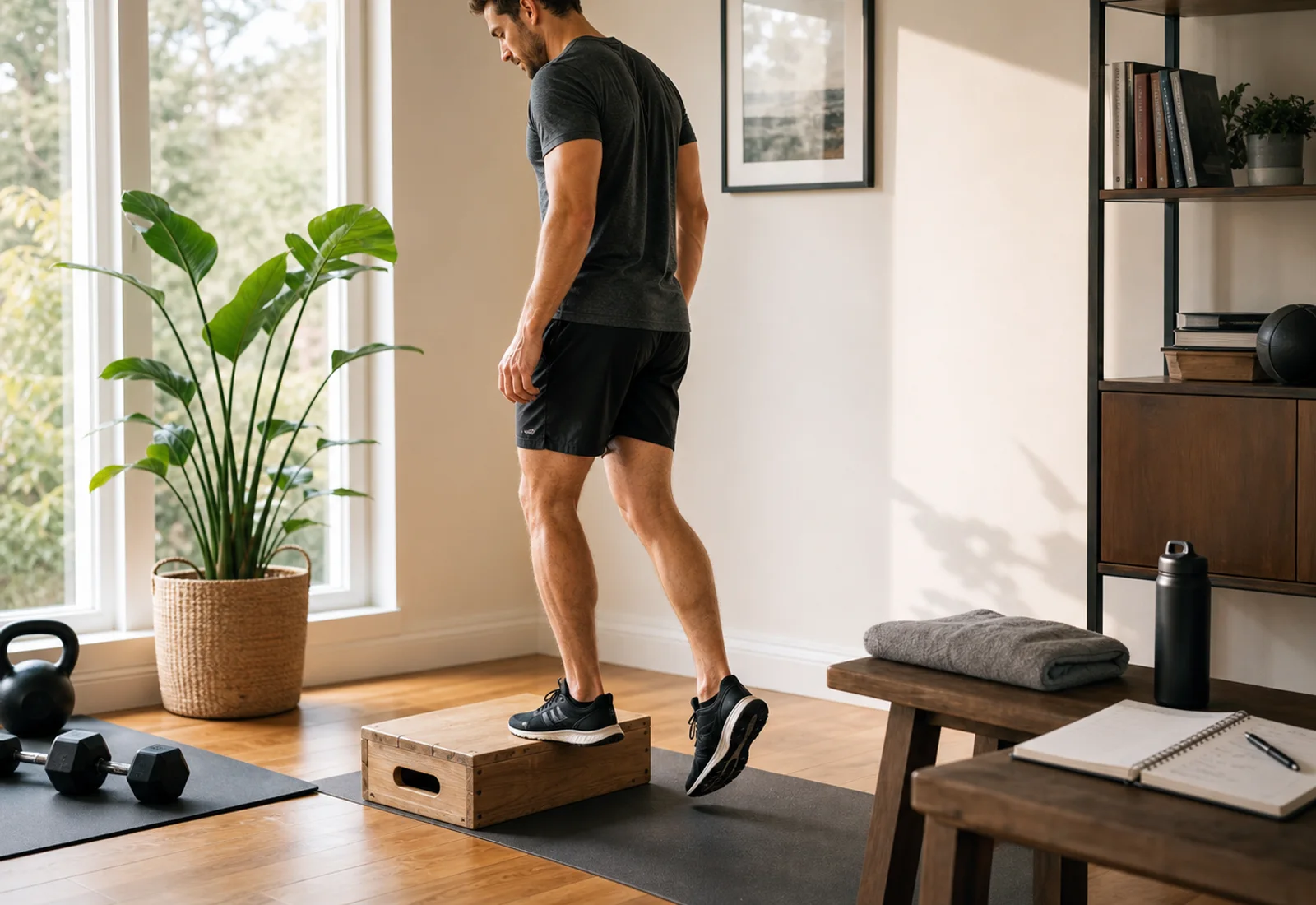
Progressive loading is less about perfect exercises and more about rebuilding tolerance in a way the body can actually adapt to.
Keep reading
→
Article
Tendon pain often returns when the bigger pattern around load, recovery, and movement never gets clarified.
Keep reading
→Body balance through motion
Use the assessment teaser to see how JointReset reads the imbalances built by work, habits, and daily routines before it shapes a focused sports and movement plan.
Start with the teaser if you want a quick read on the imbalances shaping the pattern, then move into the method and condition guides when you want more training context.