
Search-intent guides that stay useful without pretending to diagnose.
These pages are written for people searching specific recurring pain patterns. They focus on what the pattern can involve, what often aggravates it, what to assess first, and when professional evaluation comes first.
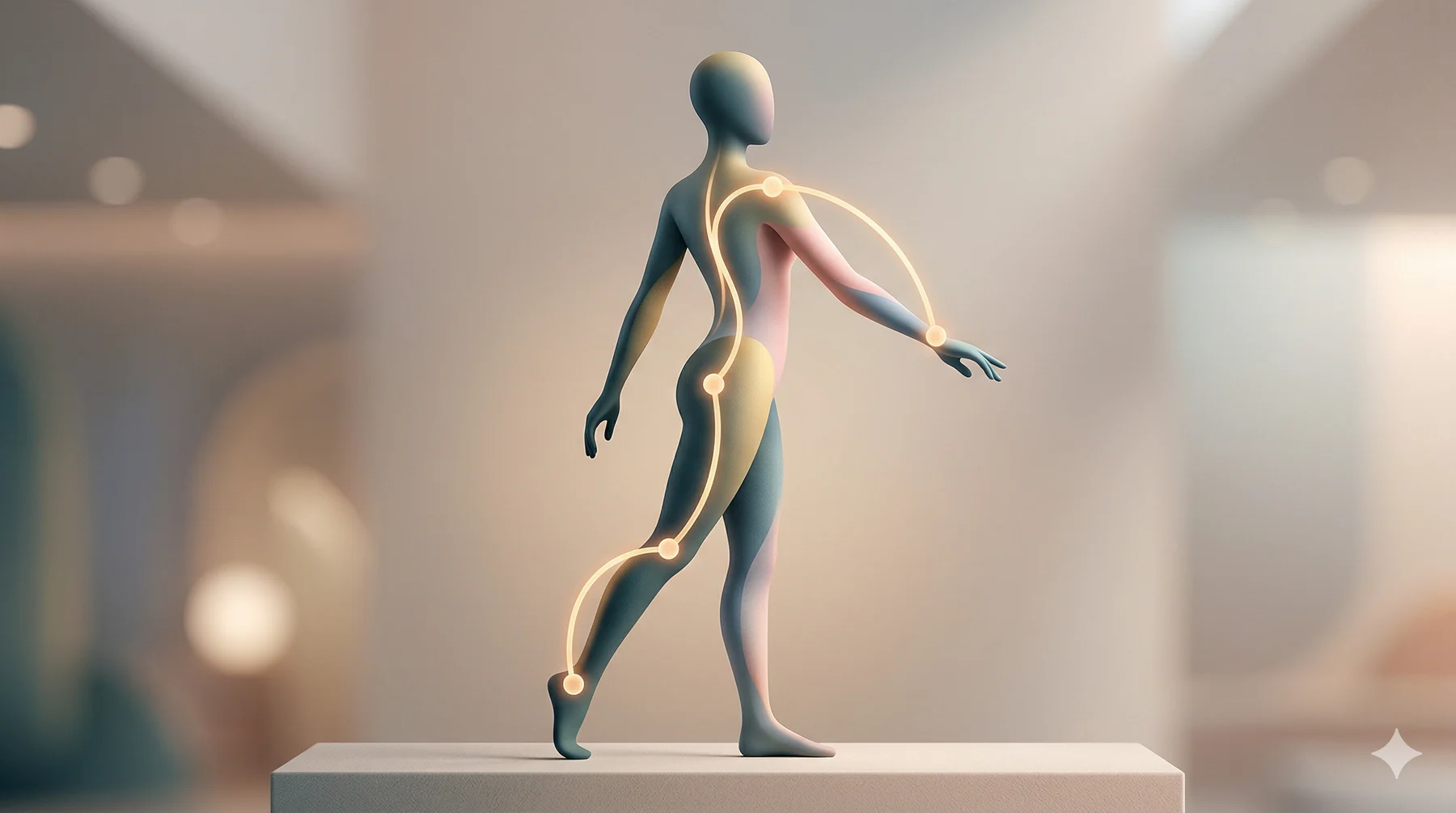
Knee pain hub
Running, stairs, squats, lunges, bending, and patellar tendon guides.
Start here when the same knee pattern shows up across multiple movements. The hub links the movement-specific guides into one lower-body cluster.
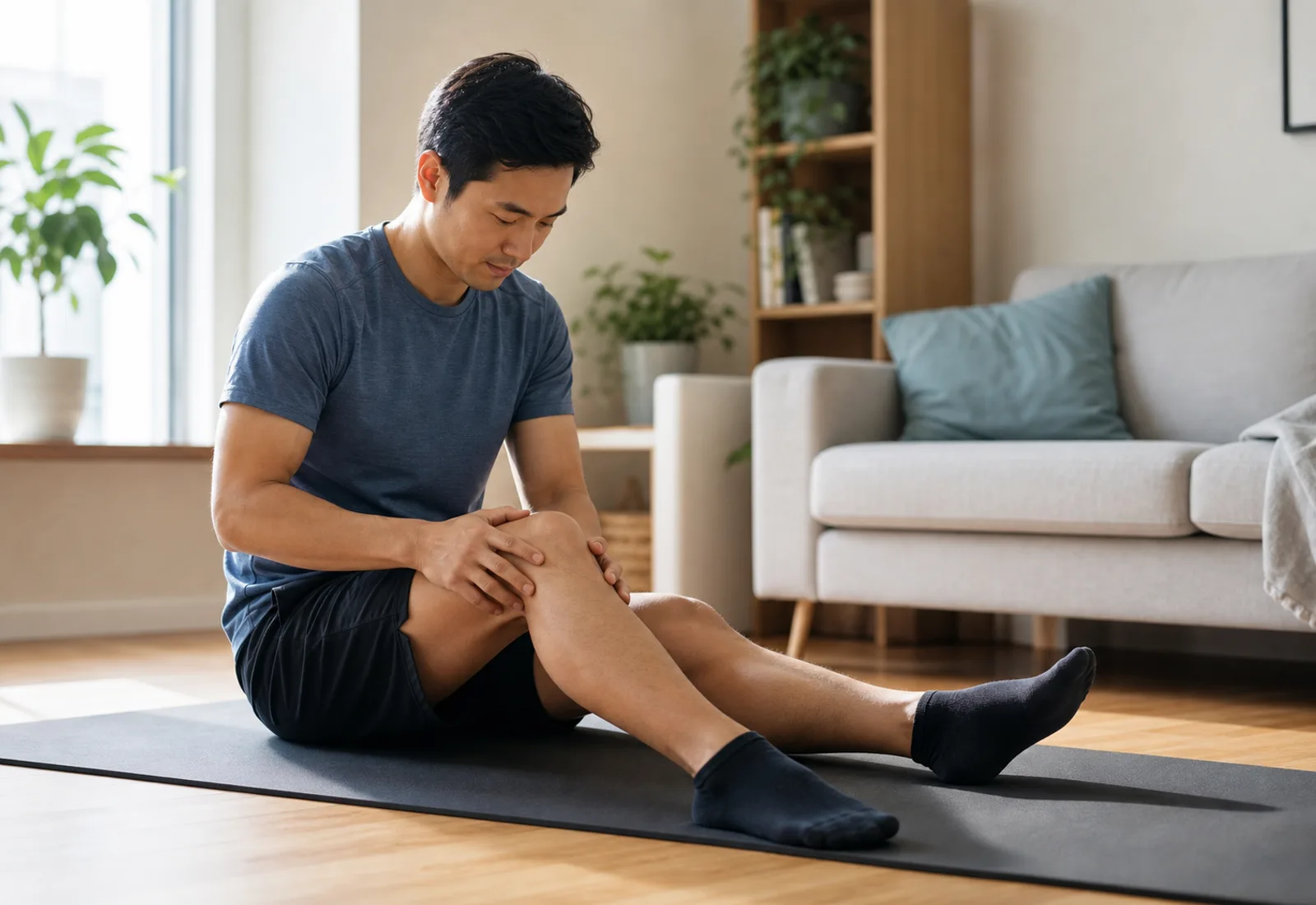
Condition guide
Front of knee pain when bending
Front-of-knee pain when bending often becomes clearer when you compare bending with stairs, squats, lunges, running, sitting-to-standing, and recent workload changes.
Keep reading
→
Condition guide
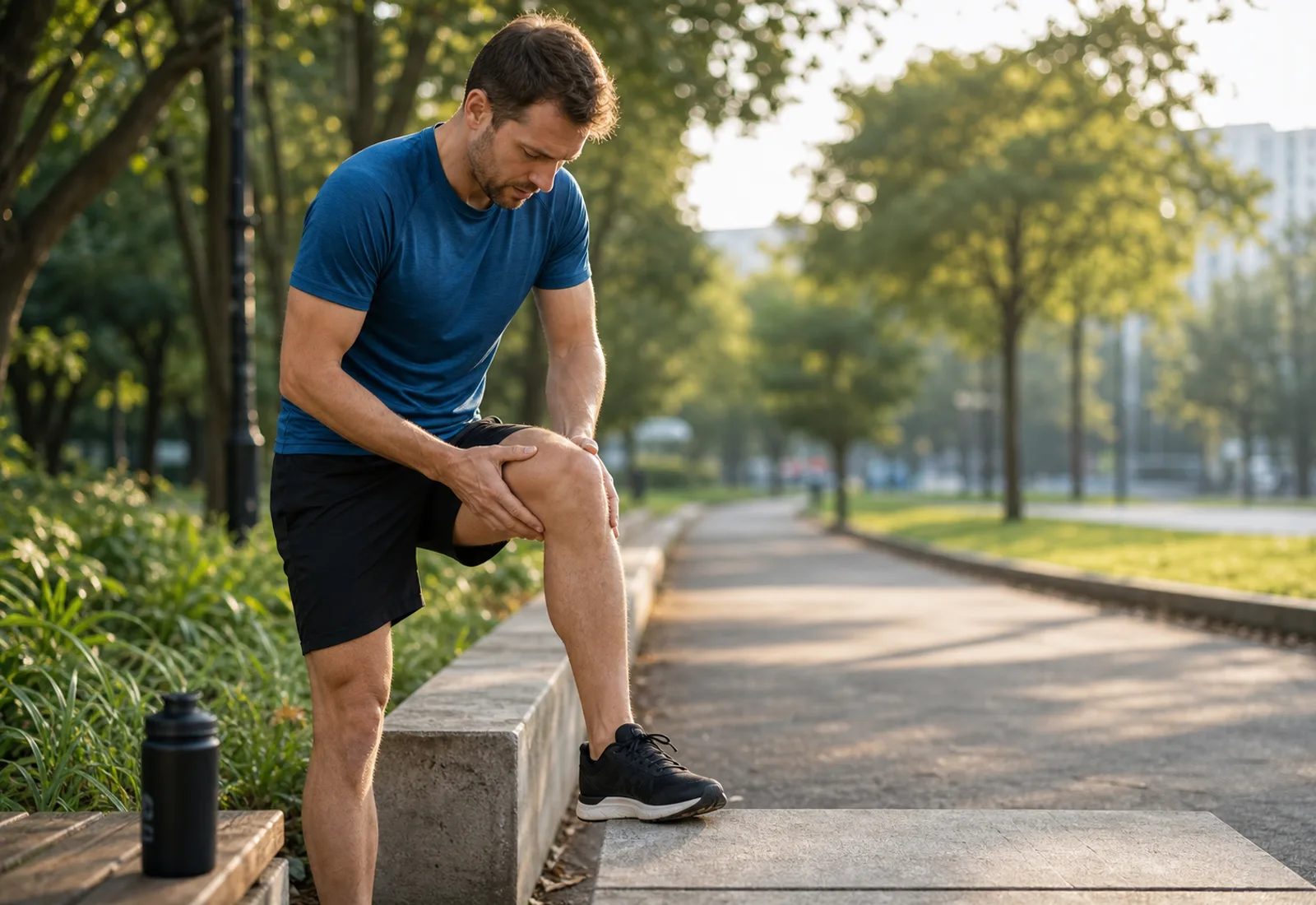
Knee pain after running
Knee pain after running often reflects how the knee responded to recent mileage, pace, hills, strength work, stairs, and recovery rather than one isolated run alone.
Keep reading
→
Condition guide
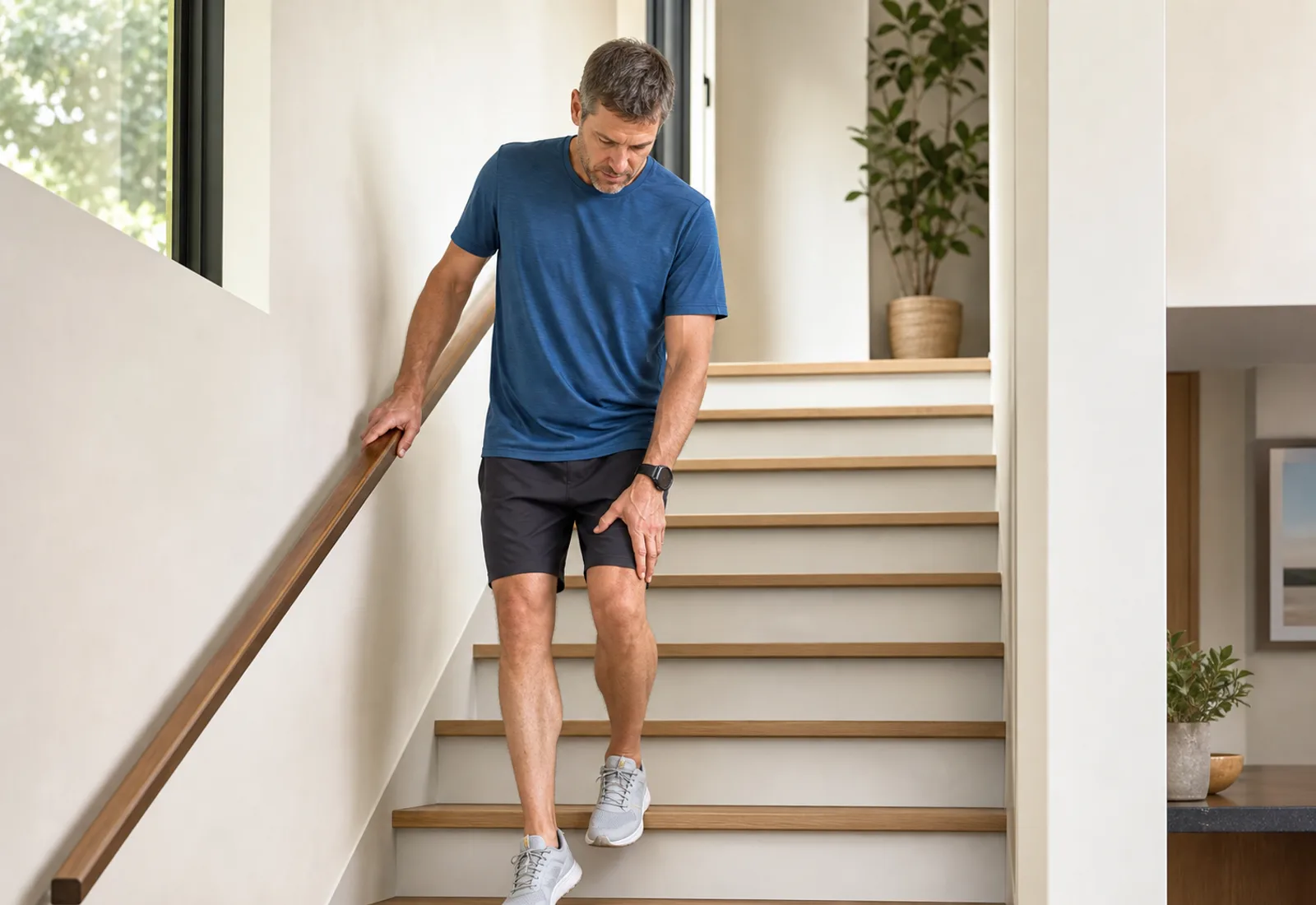
Knee pain going down stairs
Knee pain going down stairs often shows up when the knee has to control body weight slowly, especially if recent training, hills, squats, or recovery changes have reduced tolerance.
Keep reading
→
Condition guide
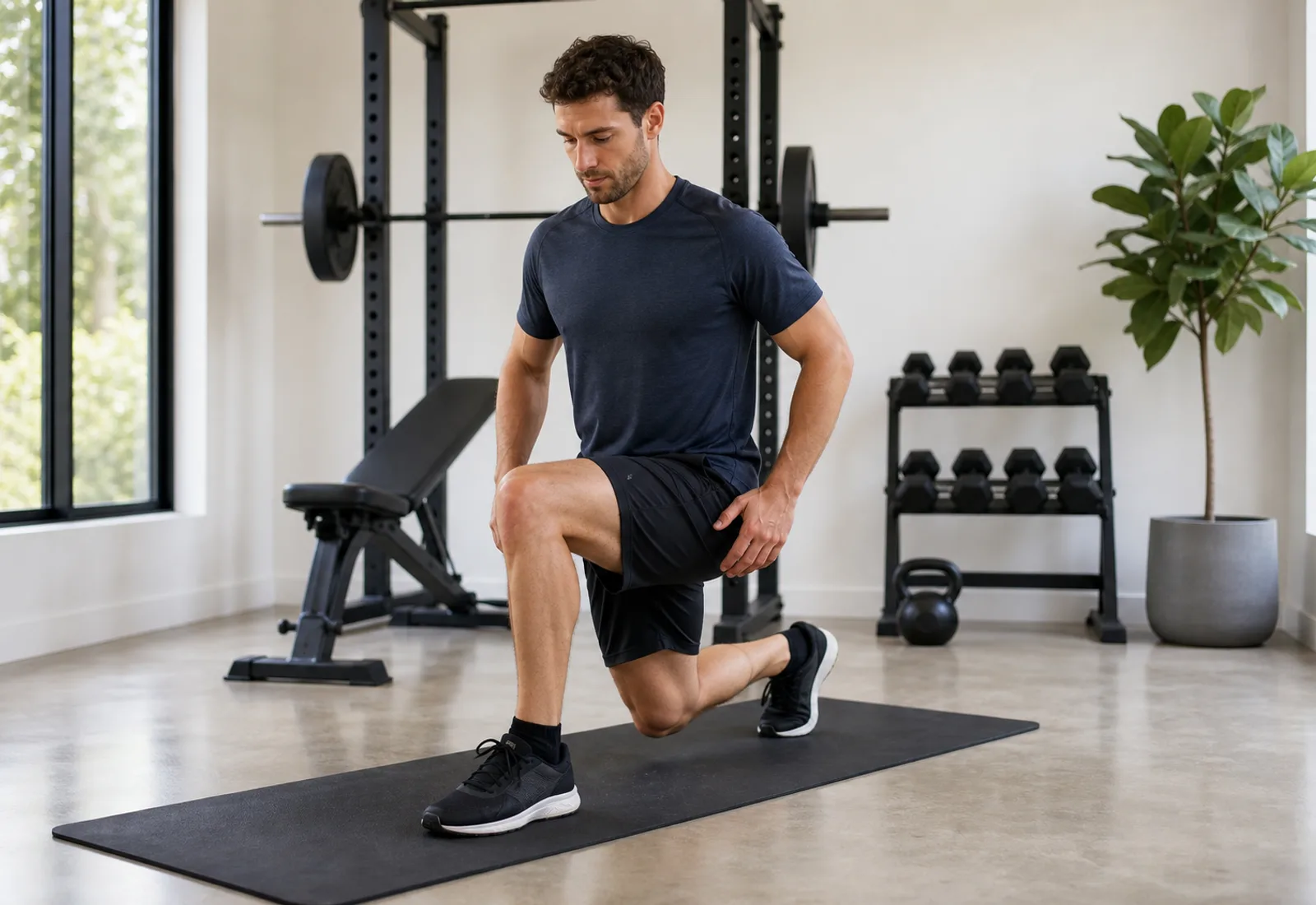
Knee pain when lunging
Knee pain when lunging often reflects how the knee handles single-leg control, depth, pace, and recent lower-body workload rather than one form cue alone.
Keep reading
→
Condition guide
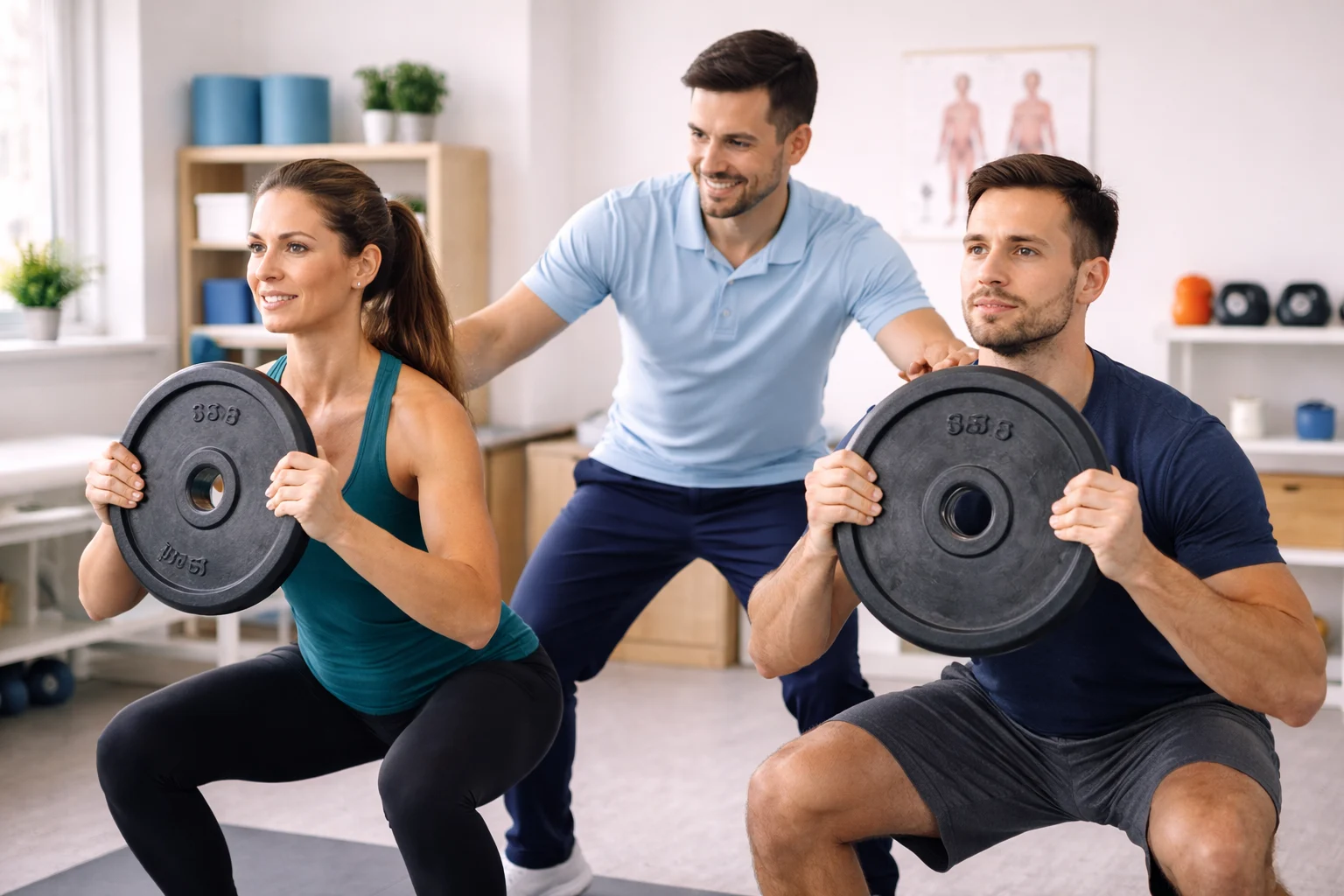
Knee pain when squatting
Knee pain when squatting often reflects a mix of local load sensitivity, ankle or hip limitations, training changes, and movement confidence rather than one single cause.
Keep reading
→
Condition guide
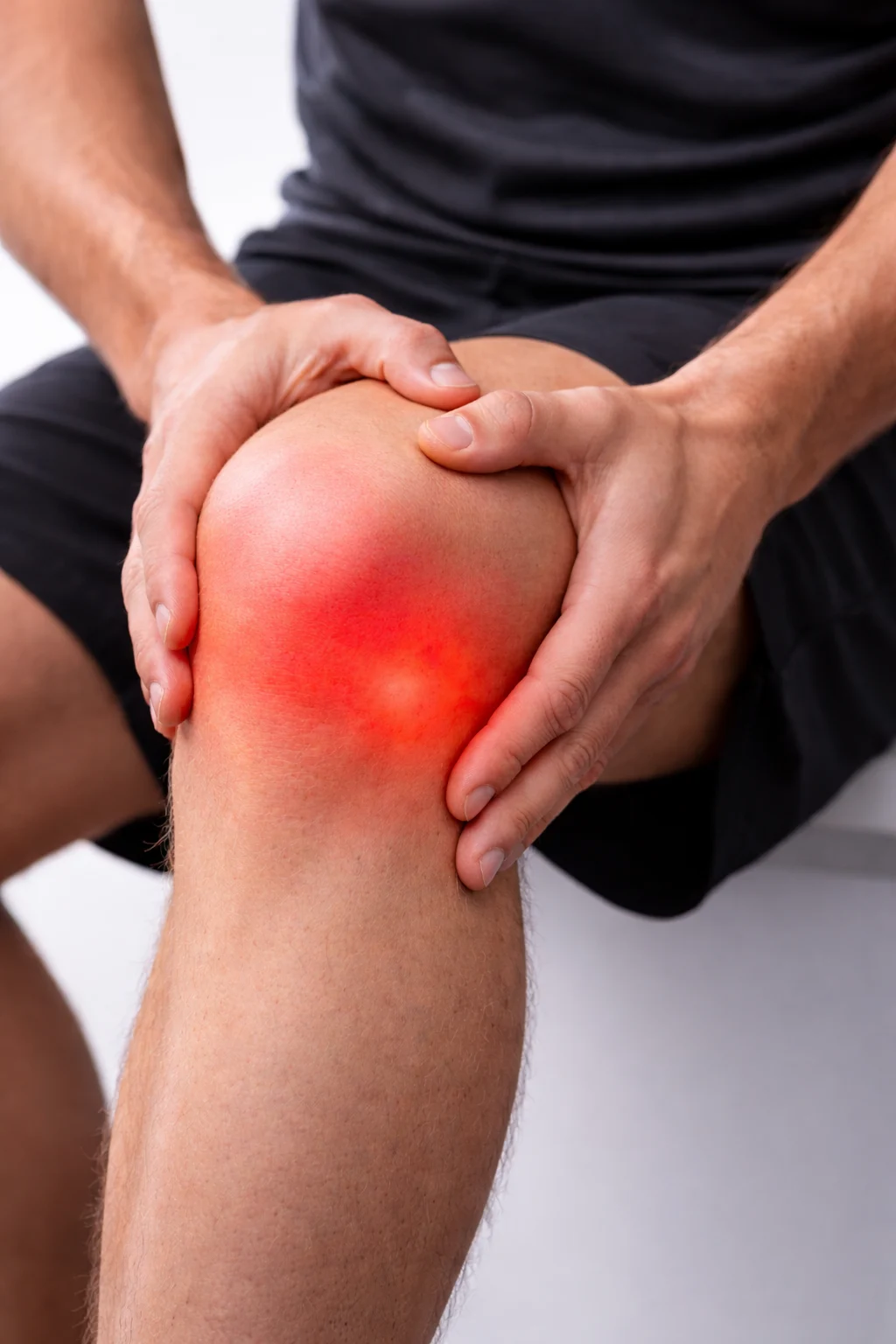
Patellar tendon pain
Patellar tendon pain often shows up as a stop-start lower-body problem, especially when jumping, squatting, or sport demand rises faster than tolerance.
Keep reading
→
Condition guide
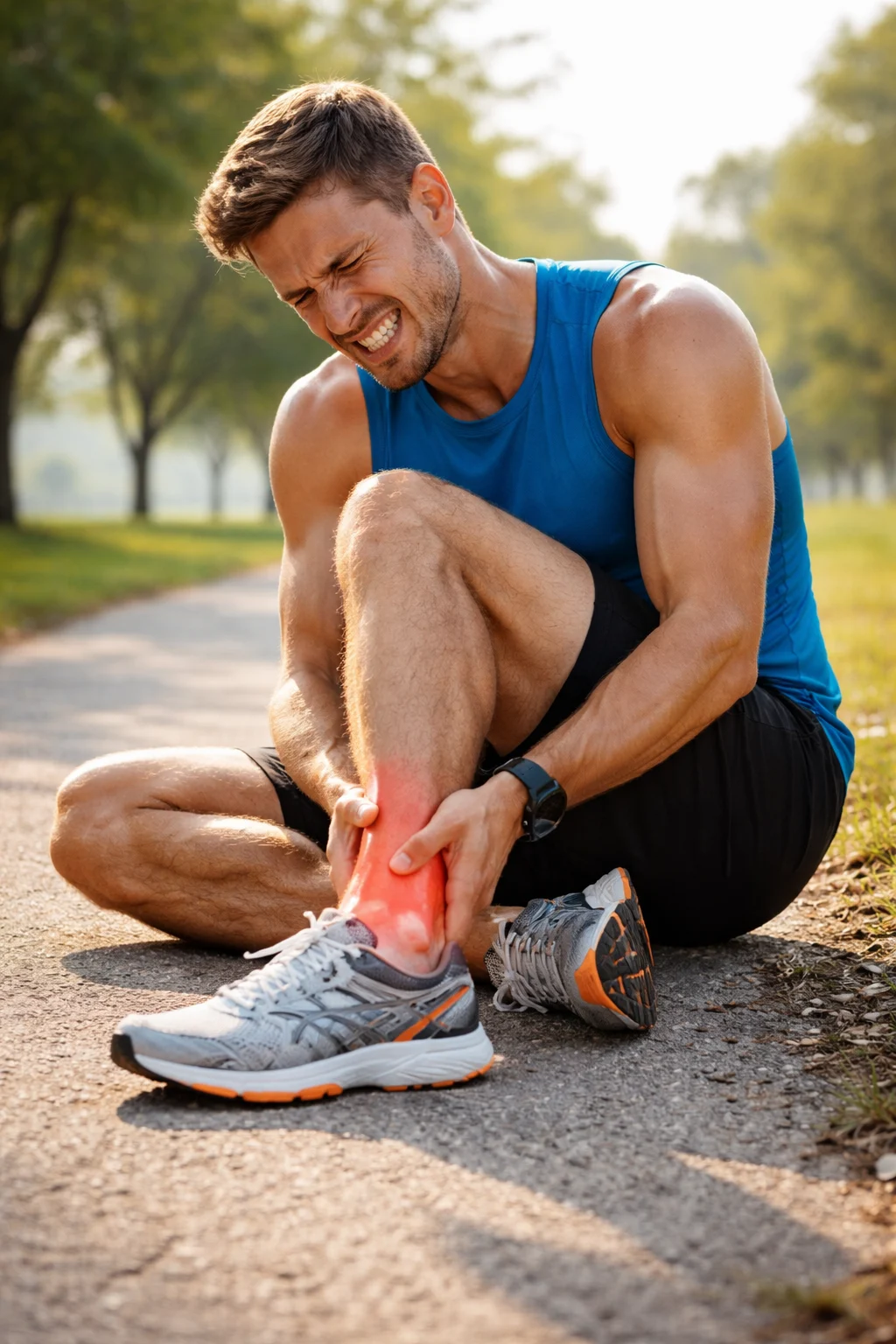
Achilles pain or soreness after running
Achilles pain or soreness after running often reflects a mismatch between recent running demand and current tissue tolerance, especially when the response shows up later rather than immediately.
Keep reading
→
Condition guide
Shoulder pain reaching overhead
Shoulder pain reaching overhead can be shaped by local irritability, workload, upper-back motion, and how the whole upper limb is sharing the task.
Keep reading
→
Condition guide
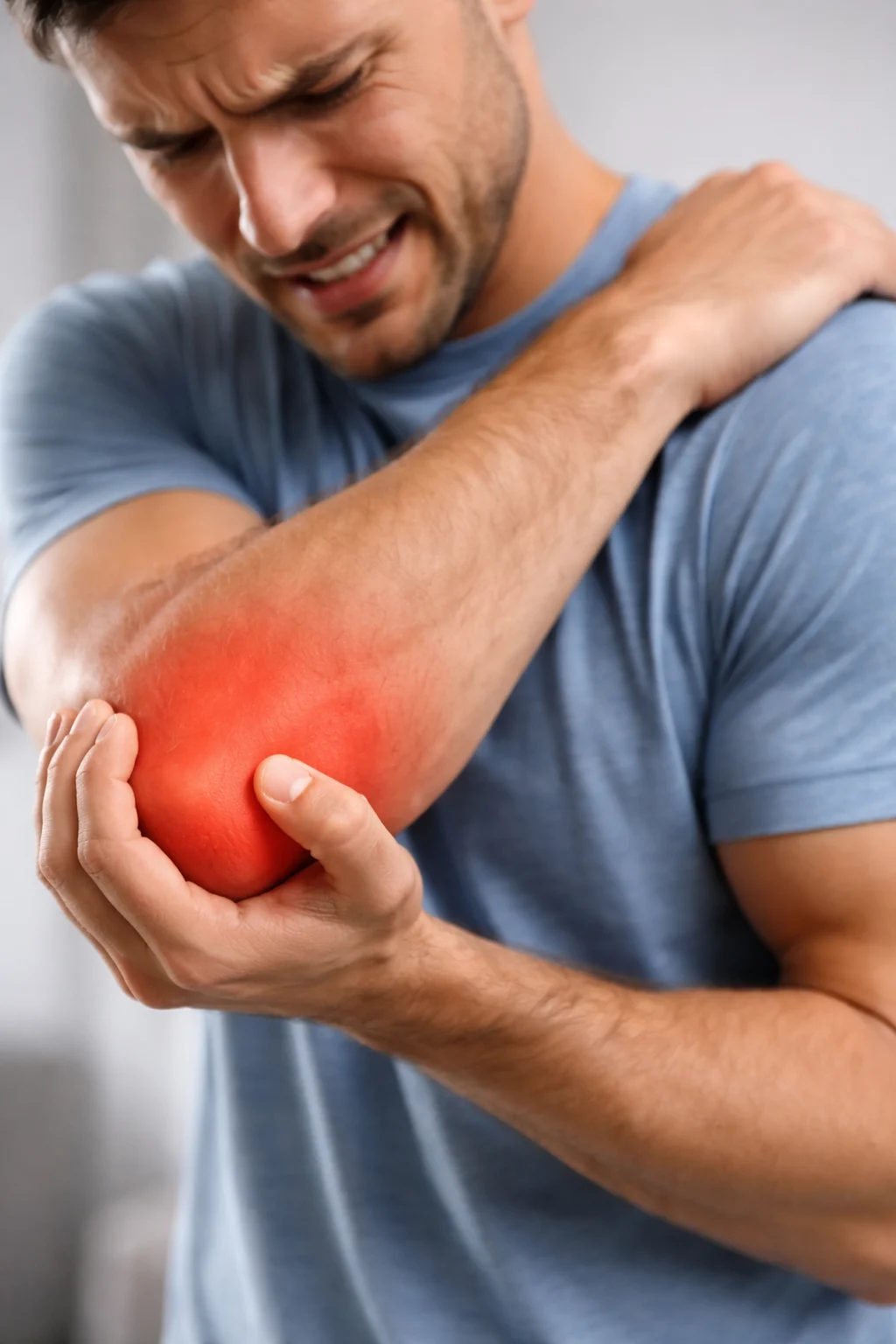
Tennis elbow from computer work
Outer elbow pain around computer work is often less about one posture and more about repetition, gripping, reach distance, and total upper-limb demand.
Keep reading
→
Condition guide
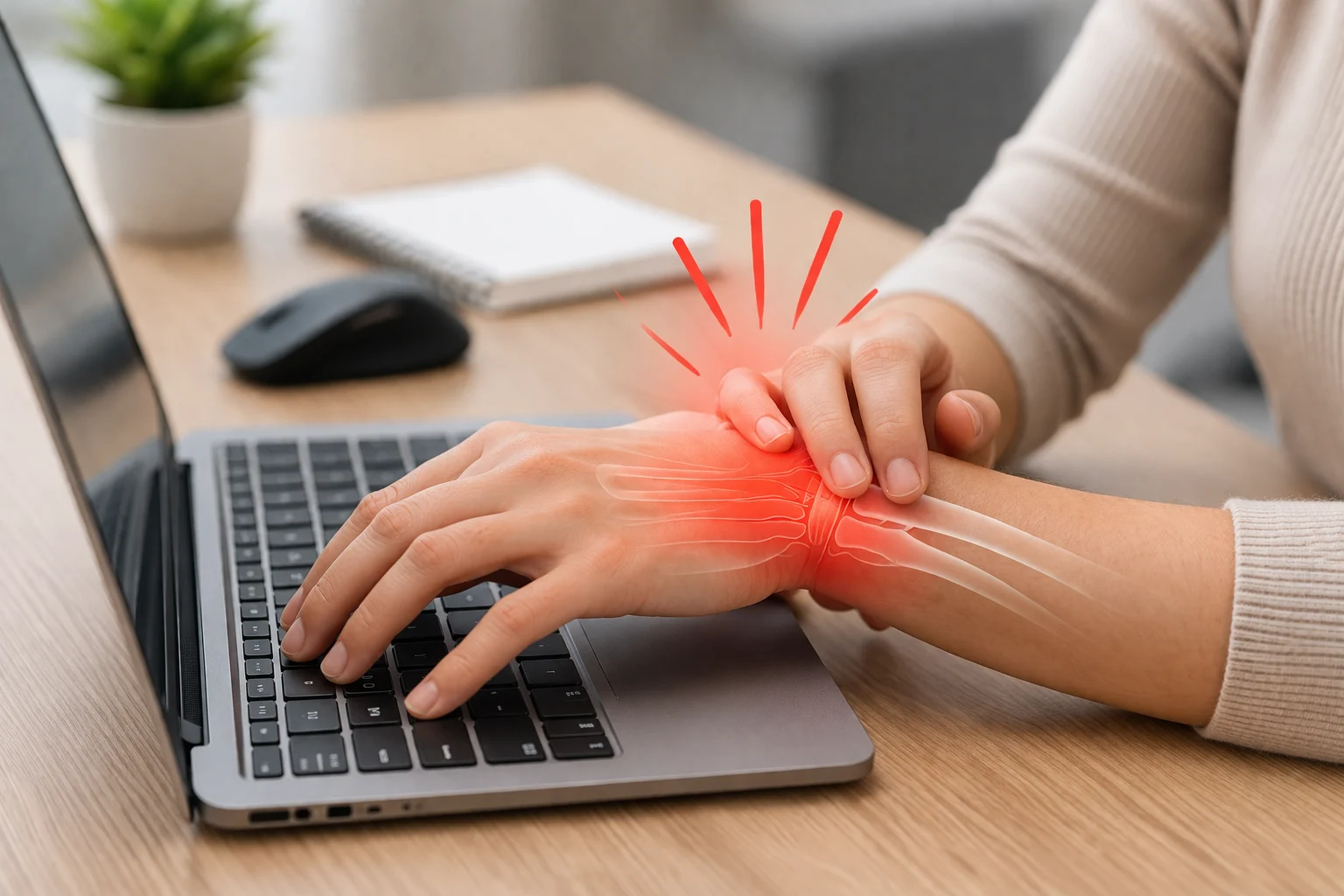
Wrist pain from typing
Wrist pain from typing often reflects repeated upper-limb demand, workstation friction, and low movement variety rather than a single simple explanation.
Keep reading
→