Patellar tendon pain often gets reduced to one message: "stop jumping for a while." That can calm things down in the short term, but it rarely explains why the problem keeps returning the moment training picks back up.
Who this page is for
This page is for people whose pain pattern sits around the tendon below the kneecap during jumping, landing, squatting, sprinting, or sport-heavy weeks. It is especially relevant if you are trying to distinguish a recurring tendon pattern from the broader “front of knee pain when loading” picture in knee pain when squatting.
Common scenarios
Common versions include:
- a tendon that feels okay during warm-up but complains later
- a jump or court-sport block that feels manageable until the next day
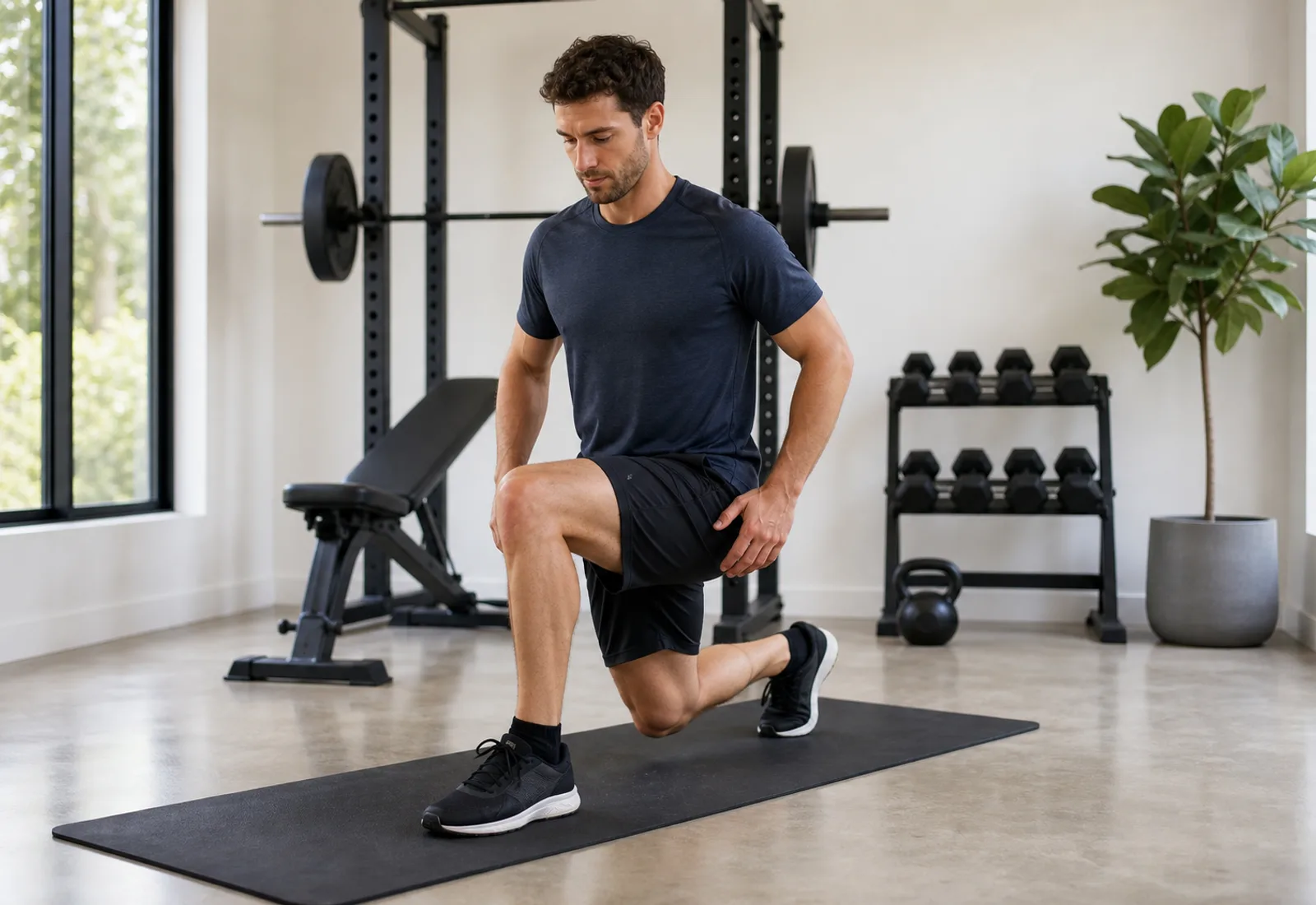
- a return to heavy split squats or squats after time away
- a tendon flare that quiets with rest, then returns during the next hard week
What this pattern can involve
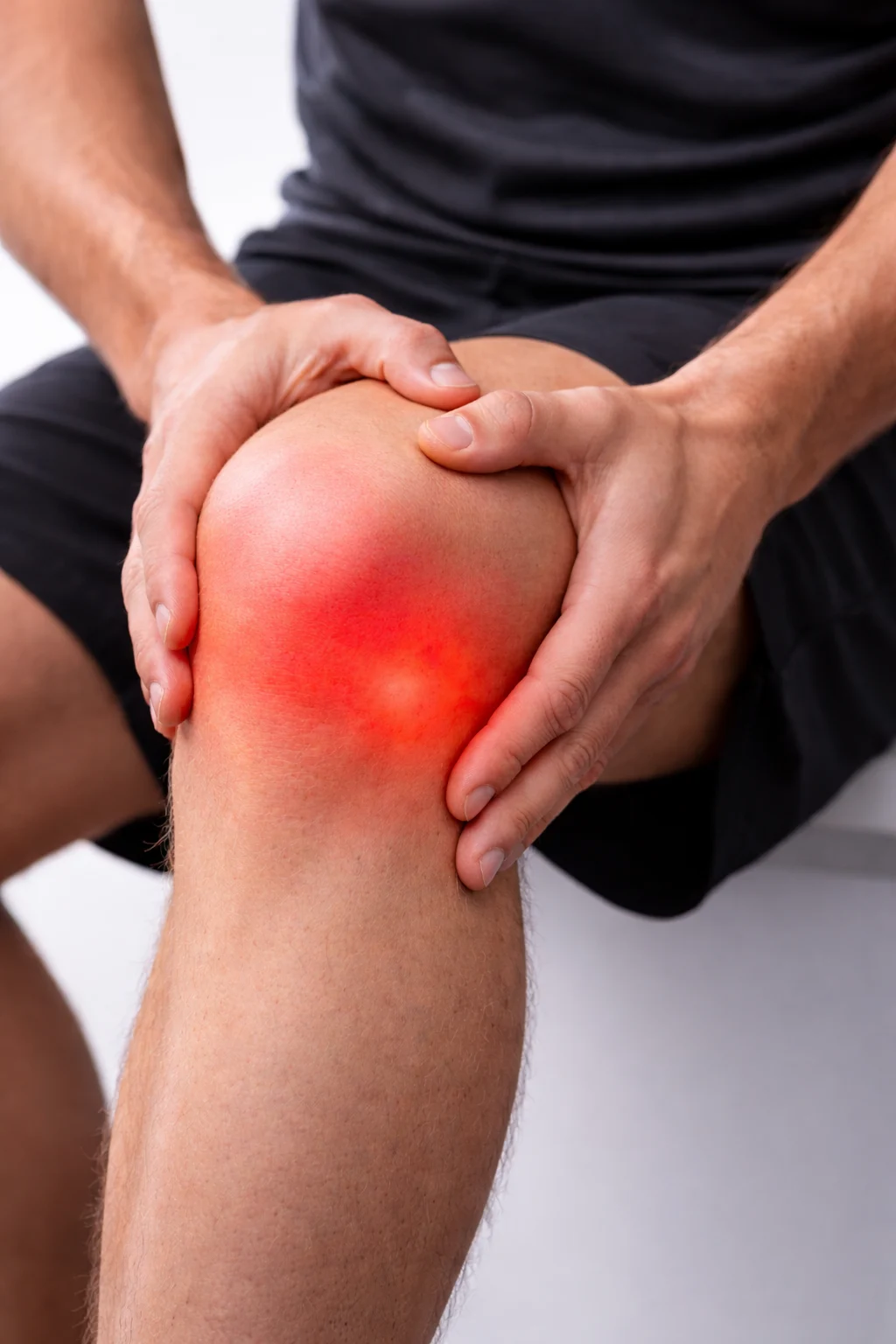
This pattern can sometimes involve sensitivity in the tendon below the kneecap, especially when it is being asked to absorb and release force repeatedly. That is why sport, sprinting, landing, deep knee loading, and plyometric work often make it more obvious.
But several factors can contribute to how strongly it shows up:
- how quickly jump or squat volume increased
- how much lower-body demand is already in the week
- whether recovery windows got smaller
- whether another part of the chain is pushing more load into the knee
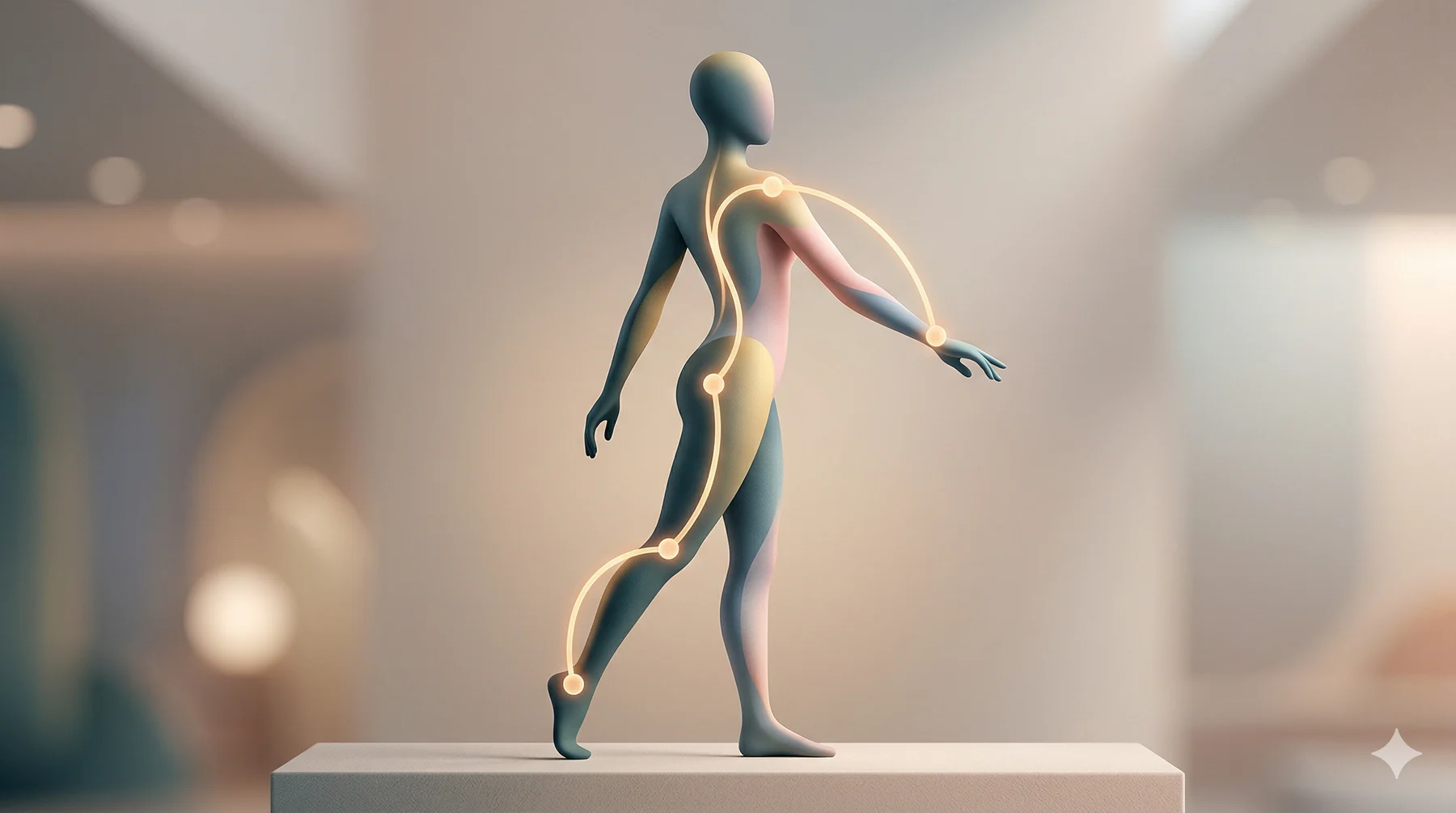
In other words, patellar tendon pain is often a whole-pattern problem wrapped in a very local feeling.
For a more complete explanation of that stop-start loop, why rest alone does not fix recurring pain and progressive loading for recurring tendon pain are useful next reads.
Why it often keeps coming back
This is one of the classic stop-start patterns. Symptoms rise, activity drops, pain settles, and then normal training returns faster than tolerance has rebuilt. The result is temporary relief without a durable bridge back to demand.
A good starting point is to assess:
- which activities trigger the pain most clearly
- whether the tendon is reacting during, after, or the next day
- what changed in training, schedule, footwear, surfaces, or sport intensity
- whether the current plan has any real progression built into it
Without that map, it is easy to confuse short-term quiet with actual readiness.
What changed recently
Patellar tendon pain often becomes clearer when you track the last seven to fourteen days. Recent changes in jump count, sprint exposure, lifting volume, competition schedule, or recovery spacing usually explain much more than the label alone.
What JointReset looks at
JointReset treats this pattern as more than a label. For patellar tendon pain, the assessment can help clarify:
- whether the biggest issue is jumping, squatting, deceleration, or total weekly volume
- how irritable the area currently is
- which other lower-body demands are stacking on top
- whether there are clear mobility or chain contributors worth checking
- what you actually want to return to, from stairs to sport
That matters because a return-to-basketball plan should not look identical to a return-to-gym plan.
What a starting plan might focus on
A starting plan often works better when it feels structured rather than heroic. That may include:
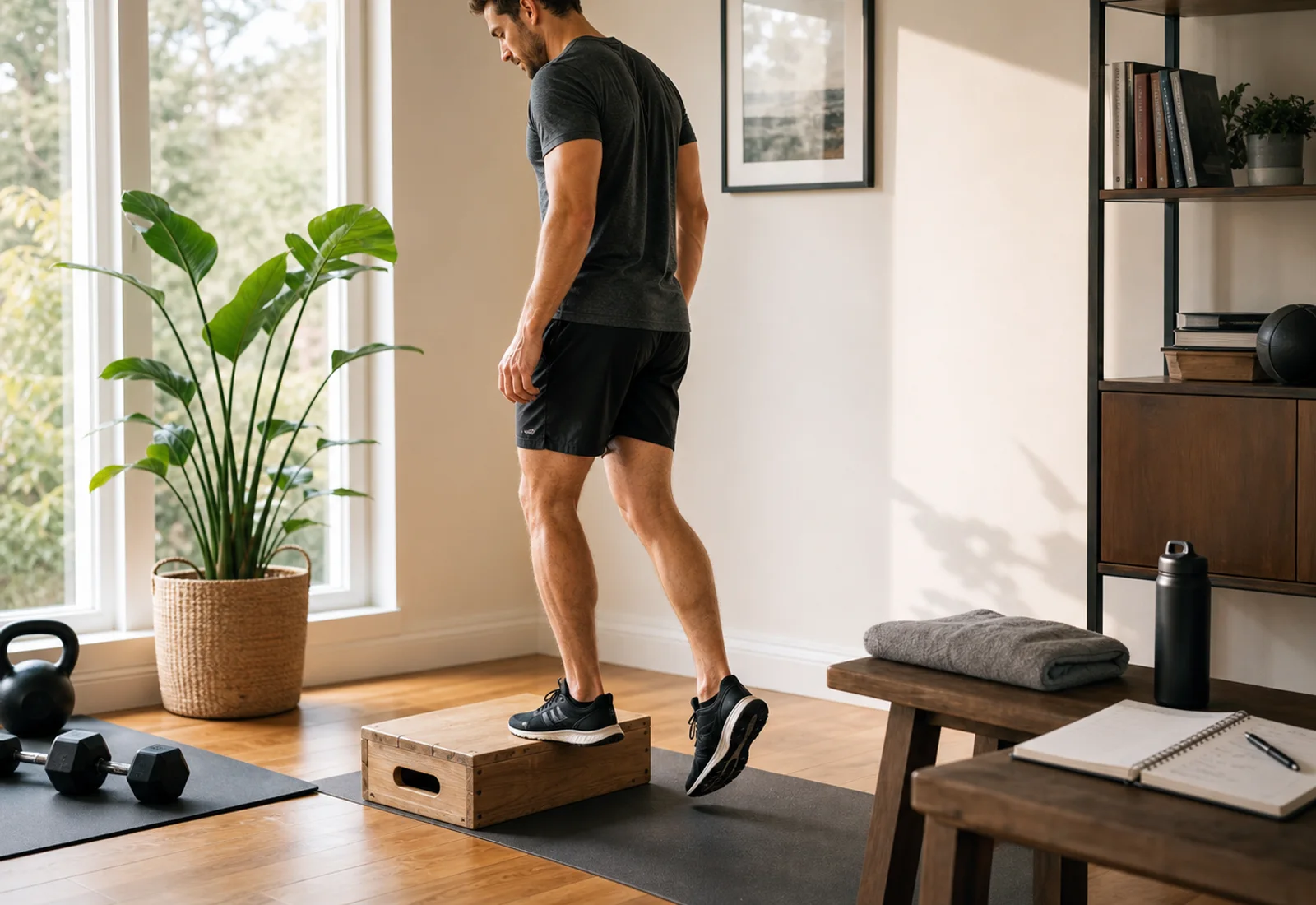
- selecting a manageable loading entry point
- progressing volume, tempo, or intensity with a clear reason
- spacing high-demand sessions more intelligently
- using pain behavior over the following day as part of the decision-making
The point is not to chase perfect exercises. It is to create a repeatable path from current tolerance toward the demands that matter to you.
You can use the JointReset assessment to map the main trigger and the method page to see why the plan stays deliberately focused.
What to modify first
Choose one primary change before the next training week:
- reduce jump count
- shorten or calm the most aggravating session
- lower squat or split-squat demand
- create a clearer loading anchor outside sport
What not to do this week
Do not use a calm day as proof you are ready for max jumping again. And do not mix rest-only thinking with a full return to normal demand. The tendon usually responds better to a clearer bridge than to dramatic swings.
When to stop and seek care
Patellar tendon pain can often be approached with educational, assessment-first guidance, but not when the picture includes major trauma, rapid swelling, inability to bear weight, major weakness, or symptoms that are escalating quickly. Those signs deserve professional evaluation before self-guided loading continues.
Practical takeaway
If patellar tendon pain keeps settling and returning, the missing piece is often not motivation or toughness. It is a clearer return-to-load strategy. Assess the weekly demand, understand the real trigger pattern, and rebuild from a baseline the tendon can tolerate more consistently.