
Find the knee guide that matches the movement that actually hurts.
Knee pain is easier to reason about when the trigger is specific. Start with the movement pattern, then connect it to training load, stairs, bending range, recovery, and safety boundaries.

Start with the clearest trigger.
Knee guide
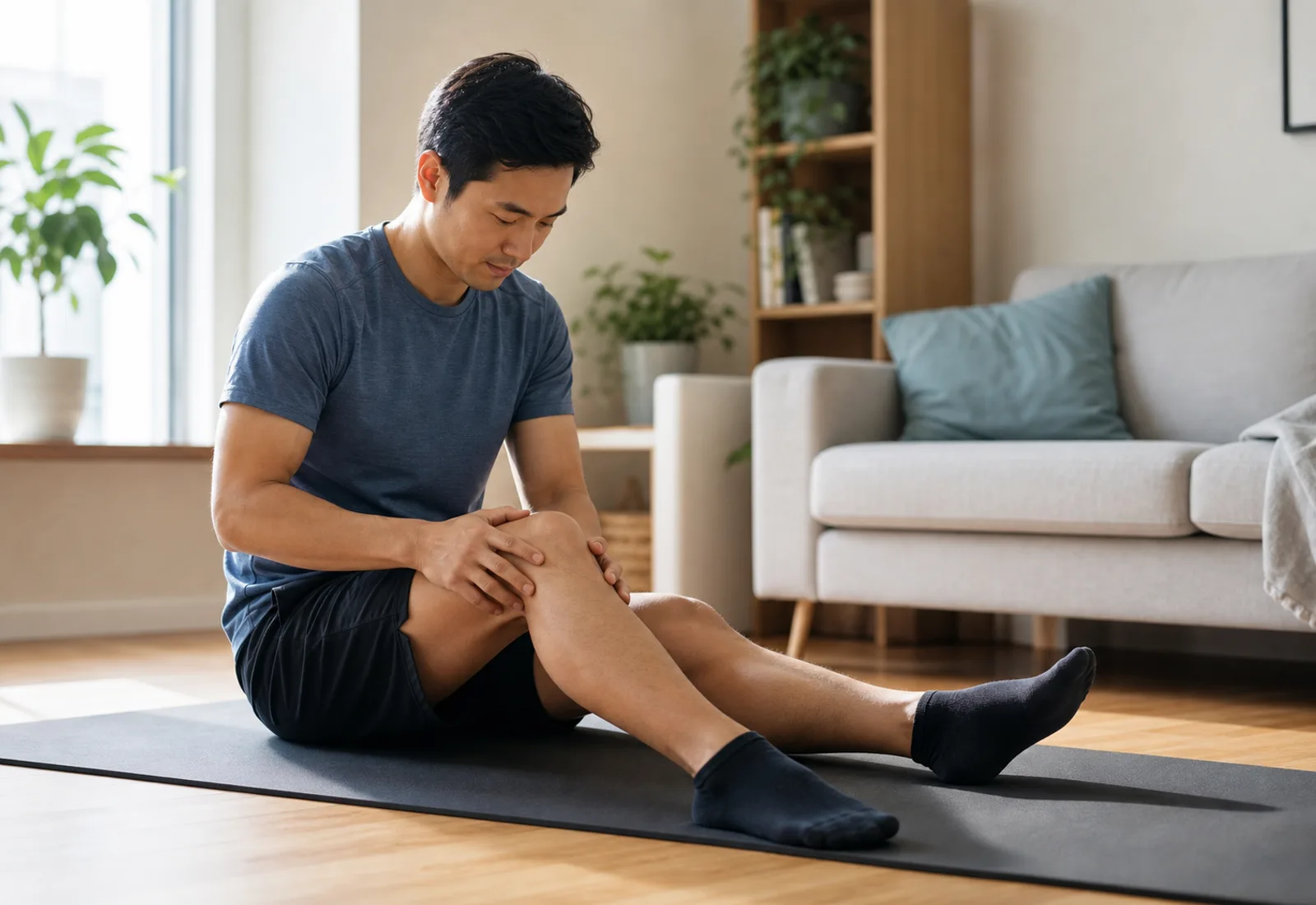
Front of knee pain when bending
Front-of-knee pain when bending often becomes clearer when you compare bending with stairs, squats, lunges, running, sitting-to-standing, and recent workload changes.
Keep reading
→
Knee guide
Knee pain after running
Knee pain after running often reflects how the knee responded to recent mileage, pace, hills, strength work, stairs, and recovery rather than one isolated run alone.
Keep reading
→Knee guide
Knee pain going down stairs
Knee pain going down stairs often shows up when the knee has to control body weight slowly, especially if recent training, hills, squats, or recovery changes have reduced tolerance.
Keep reading
→
Knee guide
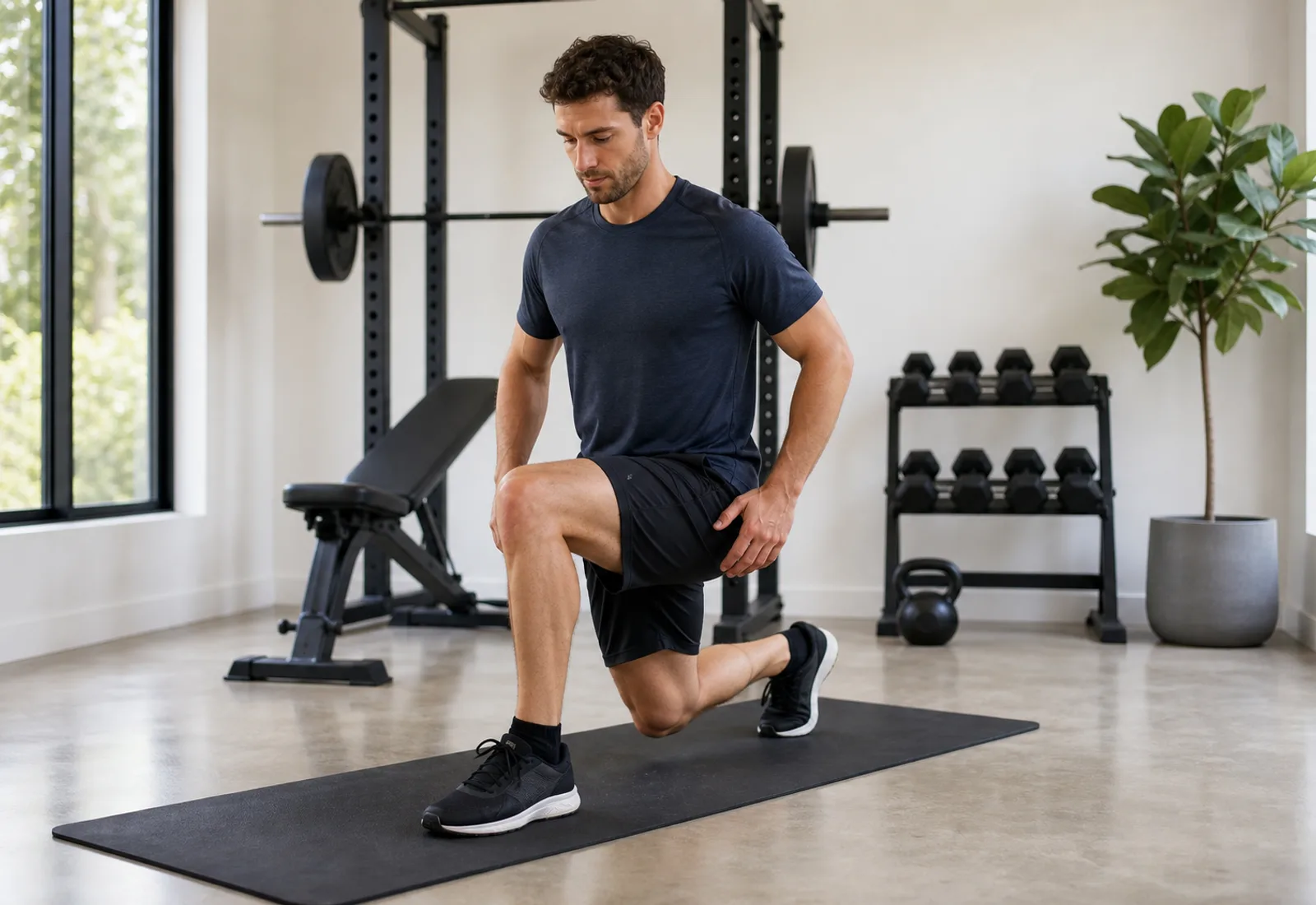
Knee pain when lunging
Knee pain when lunging often reflects how the knee handles single-leg control, depth, pace, and recent lower-body workload rather than one form cue alone.
Keep reading
→
Knee guide
Knee pain when squatting
Knee pain when squatting often reflects a mix of local load sensitivity, ankle or hip limitations, training changes, and movement confidence rather than one single cause.
Keep reading
→
Knee guide
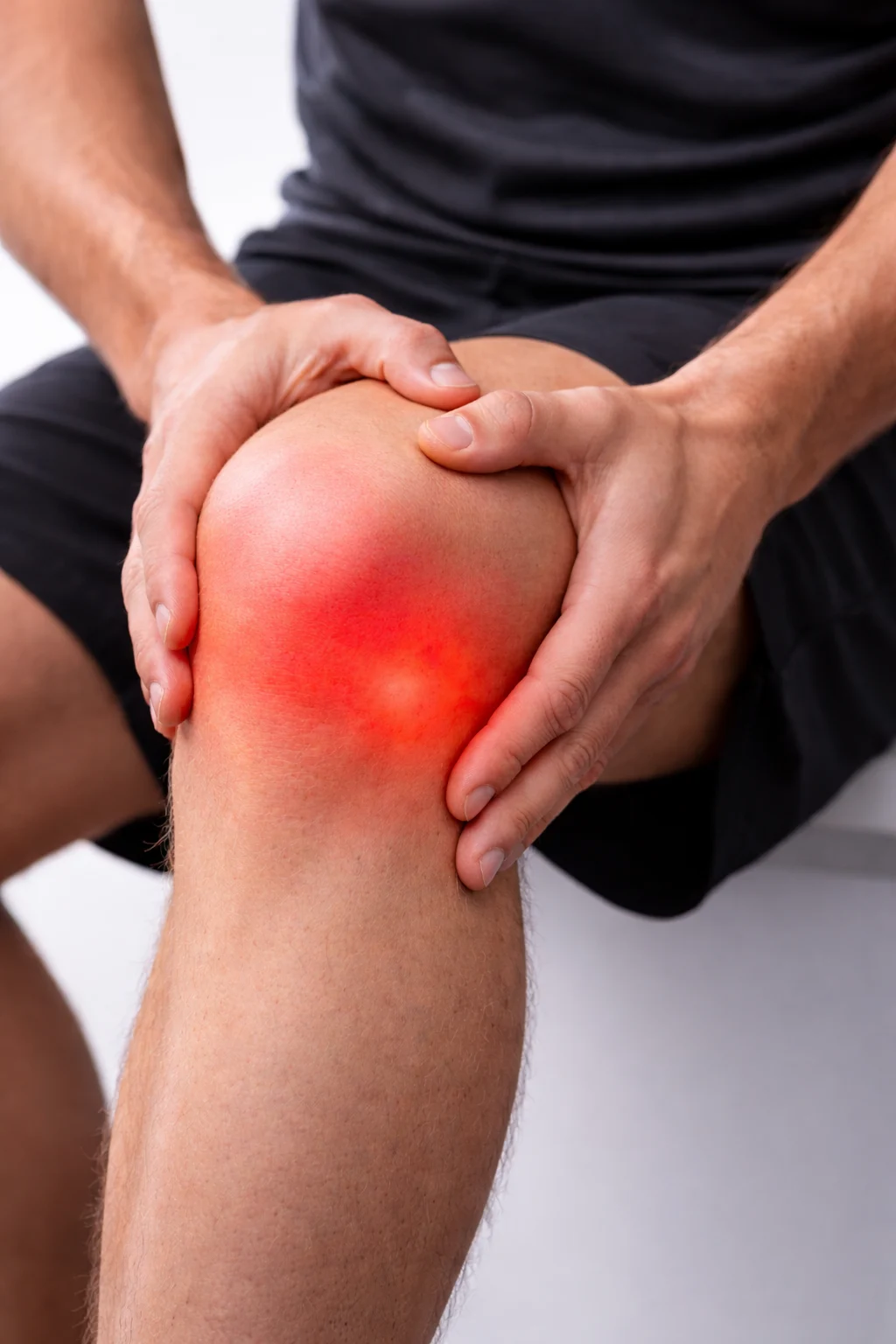
Patellar tendon pain
Patellar tendon pain often shows up as a stop-start lower-body problem, especially when jumping, squatting, or sport demand rises faster than tolerance.
Keep reading
→One knee can show up in several patterns.
The same knee may react to running, stairs, lunges, squats, and bending for related but not identical reasons. Use the most specific trigger first, then compare the nearby guides if the pattern overlaps.
Understand why knee pain returns.
Article
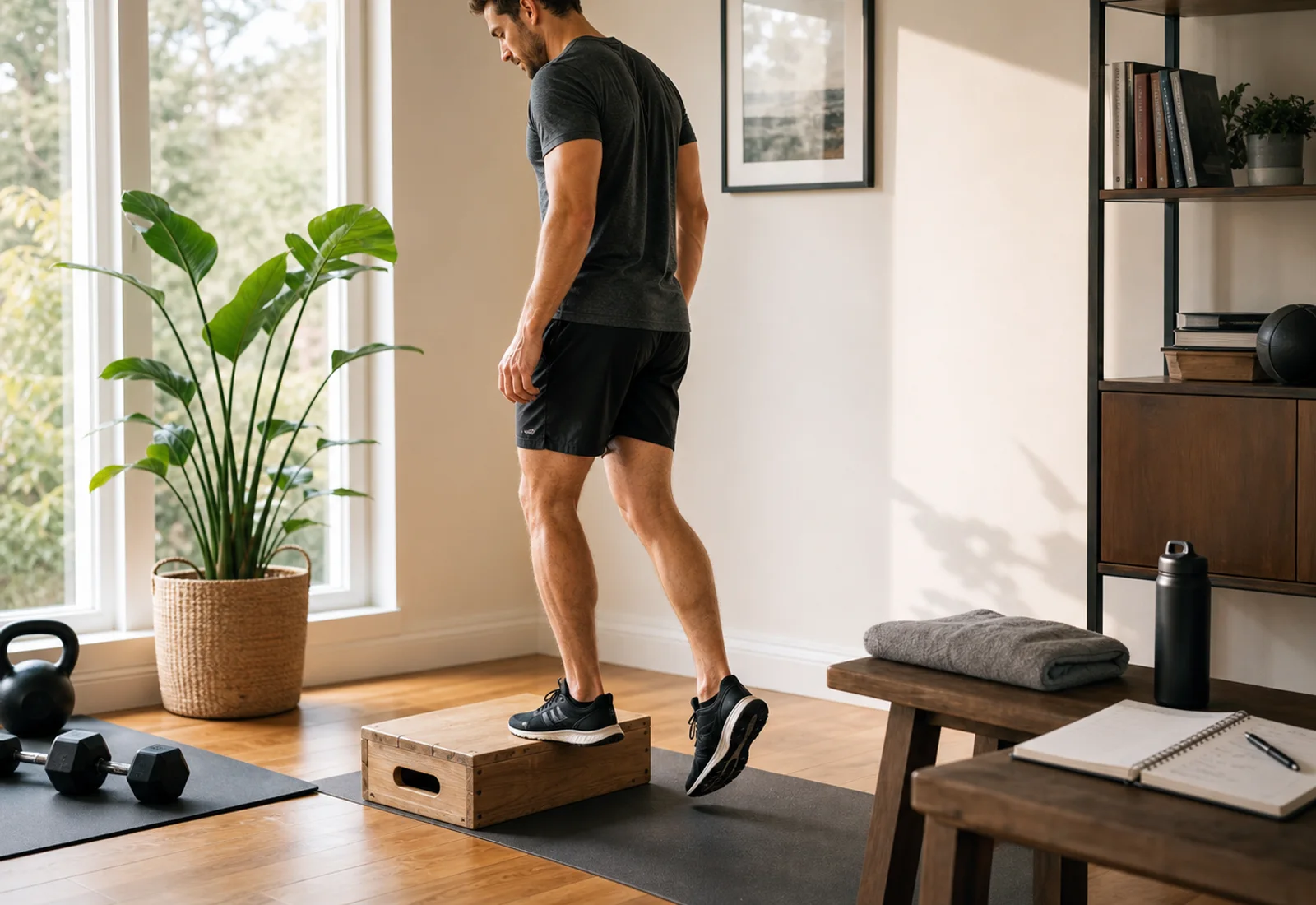
Progressive tendon loading for recurring tendon pain
Progressive loading is less about perfect exercises and more about rebuilding tolerance in a way the body can actually adapt to.
Keep reading
→
Article
Why rest alone does not fix recurring pain
Rest can quiet symptoms for a while, but recurring pain often needs a better return-to-load plan rather than more stop-start cycles.
Keep reading
→
Article
Why tendon pain keeps coming back
Tendon pain often returns when the bigger pattern around load, recovery, and movement never gets clarified.
Keep reading
→